
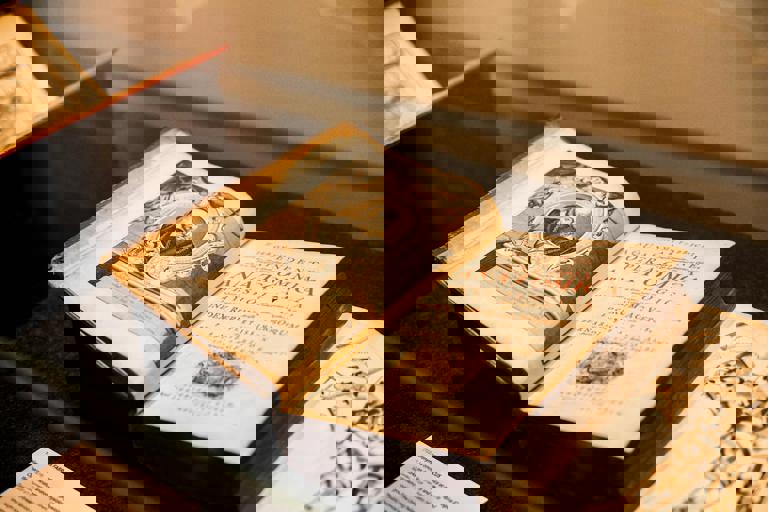
Excitement filled the halls of the British Library this week as a rare manuscript exhibition opened its doors to the public, attracting bibliophiles and history enthusiasts from across the country. The event, which runs for three weeks, offers visitors the chance to view centuries-old documents seldom displayed outside of secure archives. Organisers say early attendance numbers have exceeded expectations, with lines forming even before the library’s official opening hours.
Among the highlighted items is a beautifully illuminated 14th-century Chaucer manuscript, displayed alongside significant legal and political charters from the region’s storied past. Curatorial lead Dr. Emily Roberts explained, “These manuscripts are foundational to our understanding of both British literature and governance.” She described the rare opportunity to see such items together as “a true confluence of literary and historical heritage.” This sentiment was echoed by many attendees.
The exhibition’s appeal lies not only in its breadth but also in the meticulous preservation of delicate parchment and ink, which is evident throughout the displays. Conservators spent months preparing each item to withstand exposure to light and humidity, ensuring public safety and document longevity. Visitors are kept several inches away from the artefacts, and strict security protocols have been implemented to protect these irreplaceable treasures.
For many, the rare viewing of personal letters penned by monarchs offers a particularly intimate glimpse into the private thoughts of figures such as Queen Elizabeth I and King George III. History teacher James Turney commented, “Holding a copy of an ancient royal edict or a king’s personal letter adds a tangible dimension to what we teach in classrooms.” These firsthand sources have ignited new conversations about the ways history is remembered and interpreted.
The exhibit also dedicates significant space to early scientific manuscripts, including an original 17th-century treatise by Isaac Newton. These documents reveal the evolution of scientific discovery and illustrate how the exchange of ideas shaped modern knowledge. Dr. Samantha Paterson, a visiting researcher, observed, “Seeing Newton’s notes in his own handwriting is a moving reminder of the human effort behind groundbreaking theories.”
Public programming surrounding the exhibition has further enhanced its educational impact. The British Library has organised daily talks, expert-led tours, and interactive workshops for visitors of all ages. Notably, a weekend activity for children invites young attendees to create their own illuminated initials, providing a hands-on glimpse into the artistry of medieval scribe work. Such initiatives, according to staff, enhance engagement beyond passive observation.
The response from literature lovers has been particularly enthusiastic. Emma Sinclair, a local novelist, remarked, “The exhibition deepens our appreciation for narrative traditions and the enduring power of the written word.” Book clubs have organised group outings to the library, and social media feeds are abuzz with snapshots of visitors marveling at ancient volumes. These reactions underscore the continual relevance of historical documents in a digital age.
As the exhibition continues, organisers hope its popularity will reinforce the importance of preserving and sharing cultural heritage. With thousands already in attendance, the British Library has announced plans to digitise select manuscripts, making them accessible to a global audience. This rare convergence of history, art, and scholarship stands as a testament to Britain’s enduring literary and political legacy, inviting future generations to engage with the past in dynamic new ways.