
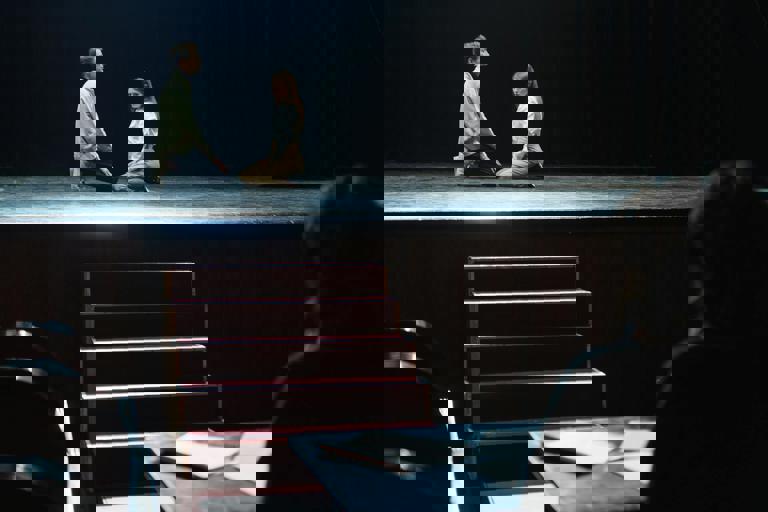
A bold new play, simply titled "Out of Office," has premiered at the city’s renowned underground theatre scene, turning the spotlight on the realities of contemporary work culture. The production, devised and performed by the innovative Collective Stage Company, confronts issues many employees face daily, such as burnout, unrealistic expectations, and a constant pressure to perform. The audience is invited to laugh, reflect, and consider their own relationships with their jobs.
Set within a stylised open-plan office, the play uses sharp wit and exaggerated physical comedy to satirise familiar workplace scenarios. From pointless meetings to endless email chains, every aspect has been meticulously recreated to resonate with anyone who has ever felt overwhelmed at work. According to director Amira Watson, the performance aims to highlight how work can dominate lives, subtly shaping personal priorities and mental health.
Watson, speaking before opening night, described the project as “an honest interrogation of why we work the way we do.” She explained, “So many people feel trapped by the very systems that are supposed to support them. We wanted to hold a mirror up to that experience and ask: what are we sacrificing in the name of productivity?” The cast’s commitment to authenticity ensures that every moment on stage rings true for contemporary audiences.
Critical reception after the first performance has been overwhelmingly positive, with several reviewers praising the show’s clever writing and raw, energetic acting. Well-known theatre critic James Calloway commented, “'Out of Office' is both hilarious and uncomfortably close to home. By shining a light on workplace absurdities, it forces viewers to question their own complicity in toxic office environments.” Audience reactions, collected following the debut, echoed these sentiments.
The play arrives at a time when changing attitudes toward work are reshaping British culture. According to a 2023 survey by the Trades Union Congress, nearly 70% of respondents reported feeling more burnt out compared to a decade ago. Companies are increasingly acknowledging these challenges, trialling four-day weeks and more flexible arrangements, a shift the play explores through its characters’ differing responses to stress and exhaustion.
In addition to exploring burnout, "Out of Office" tackles the trend of ‘quiet quitting’—where employees do just enough to meet their job requirements but disengage emotionally. The troupe presents this phenomenon both as a coping mechanism and a protest against excessive expectations. Through a blend of intense dialogue and striking visual metaphors, the play asks whether disengagement is a symptom or a solution to a flawed system.
One particularly memorable scene features a character collapsing beneath piles of paperwork, while colleagues, blinded by productivity metrics, fail to notice. The imagery drew audible gasps from the audience, underlining how performance targets can desensitise individuals to one another’s wellbeing. This moment encapsulates the production’s central thesis: modern work culture often prioritises output over people, sometimes with dire consequences.
Collective Stage Company worked closely with mental health consultants throughout the creative process to ensure sensitive and accurate representation of burnout and related issues. “It was important not to caricature mental distress,” said cast member Tilda Grey. “We wanted to balance satire with empathy, so people recognise themselves without feeling mocked or diminished.” This approach has been widely praised for its nuanced handling of complex topics.
The set design, crafted by local artist Samir Patel, deserves special mention, ingeniously capturing the monotony and subtle claustrophobia of office environments. Flimsy partition walls double as emotional barriers, while flickering lights evoke the relentless passage of time. Small but significant details—like out-of-sync clocks and overflowing in-trays—contribute to a pervasive sense of unease that’s both comedic and relatable.
Beyond the theatre, "Out of Office" has sparked broader conversations about the future of work. Panel discussions and talkbacks following each performance invite audience members to share their experiences and ideas for change. Many attendees speak of the pandemic as a turning point, having re-evaluated their work-life balance during lockdown and yearning for more humane workplace practices going forward.
The cast and crew have also partnered with advocacy groups to distribute resources on managing workplace stress and advocating for employee rights. Leaflets handed out in the theatre’s foyer point attendees toward support services, as well as tips for negotiating flexible arrangements or seeking help for burnout. This community-driven approach reflects the production’s commitment to catalysing real-world change, not just igniting theatrical debate.
Actor Tom Henderson, who plays the office manager, sees the play as a call to action. “We’re not just making people laugh or cringe—we want them to recognise their own power as workers,” Henderson told this publication. “When audience members leave, perhaps they’ll ask their employer about mental health days or rethink what success looks like. It’s about questioning the status quo.”
Looking ahead, the theatre company has plans to take the production on tour across the UK, keen to reach a wider audience and gather new local perspectives. Early responses suggest a strong appetite for this kind of cultural reflection, especially among younger workers dissatisfied with traditional workplace hierarchies. As the conversation deepens, “Out of Office” may help shape the ongoing debate over work, well-being, and social values in Britain today.