
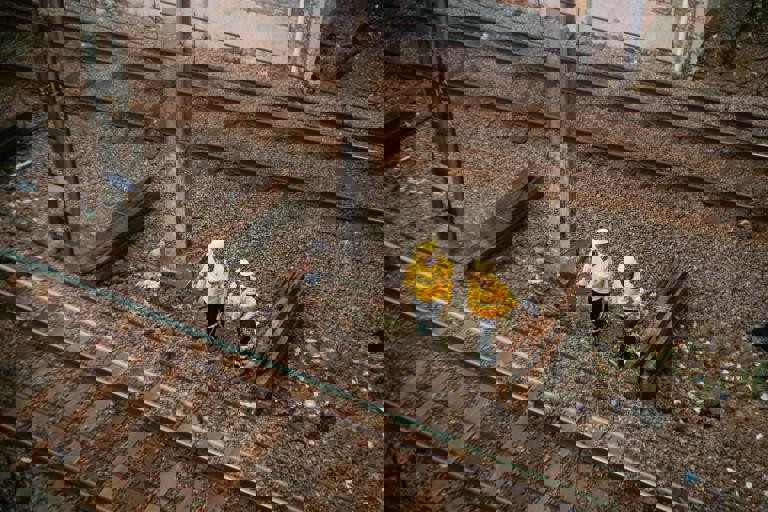
A major signal failure on Northern transit lines has led to widespread delays, leaving thousands of passengers stranded and causing significant disruption throughout key routes. The issue arose unexpectedly early this morning, prompting operators to halt services across several lines as a safety precaution. Commuters, many on their way to workplaces or appointments, were met with long delays on platforms as announcement boards flicked to "Delayed" or "Cancelled" across the network.
Network officials were swift to confirm that the signal malfunction affected both primary and secondary routes, complicating diversion plans. According to a spokesperson for Northern Rail, "We understand the frustration this causes and our teams are working tirelessly to resolve the issue. Passenger safety remains our utmost priority during any technical disruption." Technicians and engineers were immediately dispatched to the affected junctions to diagnose and repair the fault.
Passengers attempting to reroute faced crowded buses and traffic congestion as alternative transport options quickly reached capacity. Many stations reported unusually large crowds during peak hours, with station staff providing updates and handing out water to those waiting. Social media erupted with complaints and photos, some showing packed platforms, as travellers expressed concern about missed commitments and urged authorities for quicker communication and resolution.
Railway officials indicated that the signal failure originated from a hardware malfunction at a major control centre, though the full technical analysis is ongoing. Initial investigations suggest a short-circuit in one of the core relay systems, which activated automatic safety protocols to bring trains safely to a complete halt. Engineers are conducting systematic checks not just at the failure site but also across neighbouring segments to prevent further incidents.
The impact rippled beyond the immediate area, as delays on Northern lines had a knock-on effect on connecting services throughout the region. Timetable disruptions forced operators to prioritise service restoration on the busiest routes, with less heavily trafficked lines expected to see continued cancellation into the evening. Railway industry experts highlight that such signal failures, though rare, can have wide-reaching consequences for entire transit ecosystems.
In response to mounting frustration among commuters, Northern Rail offered apologies and signposted compensation measures under the national Delay Repay scheme. Passengers experiencing delays over 15 minutes are eligible for partial fare refunds, and information on how to claim was distributed at key hubs and online. "We appreciate our passengers’ patience and will do everything possible to make this right," reassured Northern’s customer services director in a midday statement.
Emergency response teams, including both network engineers and outside contractors, worked in coordination throughout the day to replace faulty components and test system integrity. Their efforts were monitored by the Office of Rail and Road to ensure that safety standards were upheld. By late afternoon, limited services began to resume on select lines, though operators warned that full restoration would take several more hours.
Observers say the incident underlines the importance of continuous investment in rail infrastructure, particularly in modernising signalling equipment susceptible to ageing and wear. Transport policy analysts advocate for accelerated upgrades to digital signalling systems, which can provide greater resilience and reduce the risk of such costly breakdowns. Calls for review of maintenance schedules and budget allocations are expected to intensify following today’s disruptions.
As the network gradually recovers, the incident has left lasting impressions on travellers and transport officials alike. Many regular commuters have voiced appreciation for the prompt response from railway staff, even as they expressed disappointment at the system’s vulnerability. With investigations ongoing and repairs still under review, questions linger about long-term solutions to ensure the stability of vital transit lines for the future.