
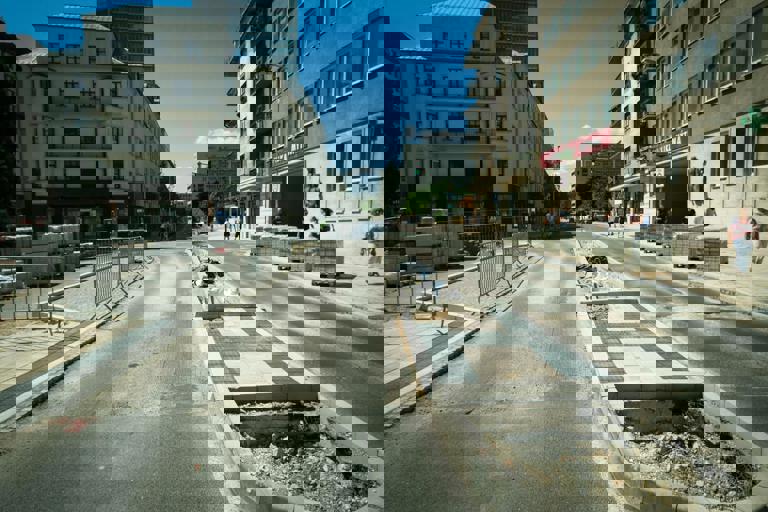
A massive water main burst caused significant disruptions to London's early morning commute on Thursday, leaving thousands of drivers stranded and several major roads completely submerged. The incident occurred just after 5:30 a.m. near the junction of High Road and Main Street, sending torrents of water gushing onto surrounding streets. Commuters were caught off-guard as floodwaters quickly rose, turning once-busy thoroughfares into impassable rivers and sparking widespread confusion during the height of rush hour.
Transport for London (TfL) swiftly issued warnings across social media and radio broadcasts, urging motorists to avoid the affected area and seek alternative routes. However, despite these alerts, traffic jams quickly developed on neighboring roads as drivers attempted to bypass the flooded zones. Many public transport services were diverted, and bus commuters faced lengthy delays due to both road closures and congestion spilling onto side streets.
Eyewitnesses described the chaos as unprecedented, with some residents comparing the scene to a "miniature Thames" flowing through central London. "I was on my way to work when I saw water bubbling up from the road, and within minutes it was waist-deep," recounted local resident Sara Thompson. She added, "Cars were being abandoned, and the emergency services did a remarkable job keeping people safe."
Repair crews were dispatched shortly after the burst, but efforts to stem the flow proved challenging. Engineers worked tirelessly through the morning, battling both strong currents and cold temperatures as they attempted to isolate the damaged section of pipeline. According to Thames Water, the repairs were expected to last into the afternoon, with water supplies to nearby businesses and homes experiencing intermittent outages during the process.
In the midst of the disruption, local businesses faced significant setbacks. Several shops and cafes were forced to close for the day, unable to operate without running water or due to flood damage. "We had to send our staff home," said Ella Martin, owner of a coffee shop near the incident. "Not only did we lose a full day’s trade, but we’re also now facing costly repairs to our premises."
City officials commended the swift response of emergency and utility workers, highlighting the importance of coordinated action in minimising the impact of such unexpected events. Deputy Mayor Olivia Watkins stated, "Our priority has been ensuring public safety and restoring normal services as quickly as possible. We thank Londoners for their patience and cooperation during this difficult morning."
Urban infrastructure experts point out that incidents like this underscore the urgent need to invest in the city’s ageing water systems. Paul Richards, a civil engineer specialising in urban utilities, noted that “many of London’s main pipes date back over a century. Increased pressure, ground movement, and temperature fluctuations all contribute to the risk of serious bursts affecting dense urban areas like ours.”
As of the afternoon, crews managed to halt the worst of the flooding, and cleanup operations were underway to remove debris and restore affected roads. Authorities advised commuters to continue checking for updates, as some routes remain closed for safety inspections. Meanwhile, city planners are expected to review the incident thoroughly to improve future response and prevention strategies, aiming to avoid similar disruptions in London's busy transport network.